
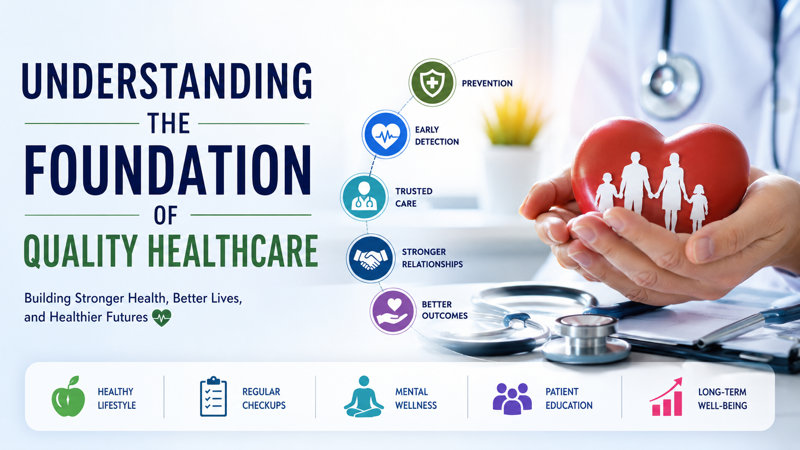
Understanding the Foundation of Quality Healthcare starts with strong primary care, preventive services, healthy habits, and informed medical decisions for better long-term wellness.
Quality healthcare is built on prevention, early diagnosis, trusted medical guidance, patient education, and ongoing care. When healthcare focuses on long-term wellness instead of only treating illness, people enjoy healthier lives, lower medical costs, and better overall well-being.
Have you ever wondered why some people stay healthier for years while others constantly deal with preventable health problems? 🤔 The answer often lies in the quality of healthcare they receive long before serious illness develops.
Good healthcare is more than visiting a doctor when you’re sick. It means building a lasting relationship with healthcare professionals, making informed lifestyle choices, and taking preventive steps before problems become emergencies. Whether you’re managing a chronic condition or simply trying to stay healthy, understanding the foundation of quality healthcare helps you make smarter decisions for yourself and your family.
Healthcare today combines medical expertise, technology, preventive care, and patient education. Together, these elements create a system that supports better health outcomes and improves quality of life for people of all ages.
Quality healthcare begins with a trusted Primary Care Physician who understands your medical history, lifestyle, and long-term health goals. A Primary Care Physician serves as your first point of contact for preventive care, routine checkups, vaccinations, health screenings, and treatment of common illnesses. This ongoing relationship helps detect health issues early and reduces the need for costly emergency care.
Choosing the right Primary Care Physician also creates continuity of care. Instead of visiting different providers each time you need medical attention, your physician coordinates treatments, specialist referrals, medications, and follow-up appointments. This personalized approach leads to more accurate diagnoses, better communication, and improved health outcomes.
🏥 What Is Quality Healthcare?
Quality healthcare means providing safe, effective, timely, patient-centered, efficient, and equitable medical care. It focuses on helping people achieve the best possible health while minimizing risks and unnecessary treatments. Every healthcare decision should support the patient’s unique needs rather than following a one-size-fits-all approach.
Healthcare quality goes beyond medical treatment. It also includes communication, accessibility, compassion, education, and preventive care. Patients should feel comfortable asking questions and participating in decisions about their health. A strong partnership between patients and healthcare providers creates better long-term results.
Healthcare systems that emphasize prevention often reduce hospital visits and improve patient satisfaction. Regular checkups, vaccinations, screenings, and healthy lifestyle guidance all contribute to stronger communities. 😊
| Key Element | Why It Matters |
| Safety | Reduces medical errors |
| Prevention | Detects disease early |
| Communication | Improves patient understanding |
| Coordination | Keeps treatments organized |
| Accessibility | Makes healthcare easier to receive |
❤️ Why Preventive Care Is The Cornerstone Of Good Health
Preventive care helps stop diseases before they become serious. Instead of waiting for symptoms, healthcare providers monitor your health through screenings, physical exams, and vaccinations. Early detection often leads to easier treatment and lower medical costs.
Routine preventive visits also help identify hidden health risks. High blood pressure, diabetes, and high cholesterol often develop without noticeable symptoms. Finding these conditions early gives patients more treatment options and improves long-term outcomes.
Simple preventive habits include:
- Annual wellness visits
- Blood pressure checks
- Cancer screenings
- Immunizations
- Healthy nutrition counseling
- Exercise recommendations
- Mental health evaluations
Small preventive actions today can prevent major health challenges tomorrow.
🩺 Building A Strong Relationship With Your Healthcare Provider
Trust plays a major role in quality healthcare. Patients who communicate openly with their healthcare providers are more likely to follow treatment plans and achieve positive health outcomes. Honest conversations create better understanding on both sides.
A long-term healthcare relationship allows providers to recognize changes in your health over time. They understand your medical history, family background, medications, allergies, and lifestyle. This knowledge leads to more accurate diagnoses and personalized care.
Strong communication includes:
- Asking questions
- Discussing symptoms honestly
- Following treatment instructions
- Reporting medication side effects
- Scheduling regular follow-up appointments
“The best healthcare begins with trust, communication, and prevention—not just treatment.” 💙
🍎 Healthy Lifestyle Choices Support Better Healthcare
Medical care alone cannot guarantee good health. Daily lifestyle habits significantly influence overall wellness. Eating nutritious foods, staying active, managing stress, and getting enough sleep all strengthen the body’s natural defenses.
Lifestyle improvements also reduce the risk of chronic diseases such as obesity, heart disease, and type 2 diabetes. Healthcare providers often recommend realistic goals rather than dramatic changes because small improvements are easier to maintain.
Healthy habits include:
- Balanced nutrition
- Regular physical activity
- Adequate sleep
- Stress management
- Avoiding tobacco
- Limiting alcohol
- Staying hydrated
| Healthy Habit | Health Benefit |
| Walking daily | Better heart health |
| Balanced meals | Improved energy |
| Quality sleep | Stronger immunity |
| Stress reduction | Better mental wellness |
| Hydration | Improved body function |
🔍 Early Diagnosis Makes A Big Difference
Many serious diseases develop quietly. Routine health screenings help detect problems before symptoms appear. Earlier diagnosis often means simpler treatments and better recovery rates.
Conditions such as cancer, diabetes, osteoporosis, and hypertension respond much better when discovered early. Delaying medical evaluations may allow diseases to progress into more complicated stages.
Healthcare providers recommend screening schedules based on age, gender, family history, and personal risk factors. Staying current with these recommendations helps protect your future health.
💊 Managing Chronic Conditions Effectively
Millions of Americans live with chronic conditions such as diabetes, asthma, arthritis, and heart disease. Quality healthcare focuses on managing these illnesses rather than simply treating symptoms during emergencies.
Successful chronic disease management combines medication, lifestyle adjustments, routine monitoring, and patient education. Healthcare providers regularly evaluate treatment plans to ensure they continue meeting patient needs.
Patients who actively participate in managing chronic conditions often experience fewer complications and better quality of life. Consistency remains one of the most important factors for long-term success.
🧠 Mental Health Is Part Of Overall Healthcare
Mental health deserves the same attention as physical health. Anxiety, depression, stress, and emotional burnout affect millions of people every year. Ignoring emotional well-being can also contribute to physical health problems.
Quality healthcare includes mental health screenings, counseling referrals, stress management strategies, and emotional support. Patients should never hesitate to discuss emotional concerns during medical appointments.
Healthy minds support healthy bodies. Seeking help early often prevents more serious emotional challenges later.
💻 Technology Is Improving Modern Healthcare
Technology has transformed healthcare in remarkable ways. Electronic health records improve communication among providers, while telemedicine expands access for patients living far from medical facilities.
Wearable devices also help patients monitor heart rate, activity levels, sleep quality, and blood pressure. These tools encourage people to become more involved in managing their own health.
Digital healthcare offers many advantages:
- Faster communication
- Convenient virtual appointments
- Better medical record access
- Improved medication management
- Enhanced patient education
Technology supports healthcare professionals but never replaces compassionate, personalized medical care.
| Healthcare Technology | Patient Benefit |
| Telemedicine | Convenient appointments |
| Electronic Records | Better coordination |
| Health Apps | Daily monitoring |
| Wearables | Real-time health tracking |
| Online Portals | Easy communication |
👨👩👧 Patient Education Creates Better Outcomes
Well-informed patients make better healthcare decisions. Understanding medical conditions, treatment options, medications, and preventive strategies improves confidence and reduces confusion.
Healthcare providers should explain medical information using simple language. Patients should feel comfortable requesting clarification whenever something is unclear.
Patient education encourages:
- Better medication adherence
- Healthier lifestyle choices
- Earlier symptom recognition
- Reduced hospital admissions
- Increased confidence during medical decisions
Knowledge truly becomes one of the strongest tools for protecting your health.
🌟 How Families Benefit From Continuous Healthcare
Quality healthcare extends beyond individuals. Entire families benefit when preventive care becomes a regular part of life. Children receive vaccinations, adults manage chronic conditions, and older adults receive age-appropriate screenings.
Family-centered healthcare also improves communication among caregivers and medical professionals. Shared health histories help identify hereditary conditions and encourage healthier habits across generations.
Creating a family culture of wellness builds healthier communities and reduces future healthcare challenges.
✅ Signs Of A High-Quality Healthcare Experience
Patients often wonder how to recognize excellent healthcare. While every situation differs, certain characteristics consistently appear in quality medical practices.
Look for providers who demonstrate:
- Respectful communication
- Short wait times
- Clear explanations
- Evidence-based treatment
- Preventive care focus
- Patient involvement
- Coordinated specialist referrals
- Follow-up after treatment
These qualities create stronger patient relationships and better long-term health outcomes.
Conclusion
Understanding the foundation of quality healthcare empowers you to make better decisions throughout your life. Strong healthcare begins with prevention, trusted medical guidance, healthy daily habits, and open communication with your healthcare provider. Regular screenings, patient education, mental wellness, and effective chronic disease management all contribute to lasting health.
When you invest in preventive care and build a long-term relationship with a trusted healthcare professional, you’re investing in your future. Small steps today can lead to healthier years ahead, helping you and your family enjoy a better quality of life.
Frequently Asked Questions
What makes quality healthcare truly effective?
Quality healthcare combines prevention, timely treatment, patient education, and personalized care. It also encourages strong communication between patients and providers. Together, these factors improve long-term health outcomes.
Why should I visit a primary care physician yearly?
Annual visits help identify health concerns before symptoms become serious. Your physician monitors changes in your health over time. Regular checkups also keep vaccinations and screenings up to date.
How does preventive healthcare save money?
Preventive care identifies health problems early when treatment is usually simpler and less expensive. It also reduces emergency room visits and hospitalizations. Healthy habits lower long-term healthcare costs.
Can lifestyle changes improve healthcare outcomes?
Yes. Healthy eating, regular exercise, quality sleep, and stress management strengthen your overall health. These habits also lower the risk of many chronic diseases. Combined with medical care, they produce better long-term results.
What are the foundations of quality healthcare?
Quality healthcare relies on prevention, patient-centered care, effective communication, early diagnosis, and coordinated treatment. These principles support safer and more effective healthcare experiences. They also improve overall wellness and quality of life.